
“It came right off the street and out of the ghetto” - The Zoot suit Riots
https://www.nationalgeographic.com/premium/article/zoot-suit-riots-street-fashion-wwii-los-angeles
Title quote by Harold Fox.
“Perhaps the first time in American history that fashion was believed to be the cause of widespread civil unrest.”
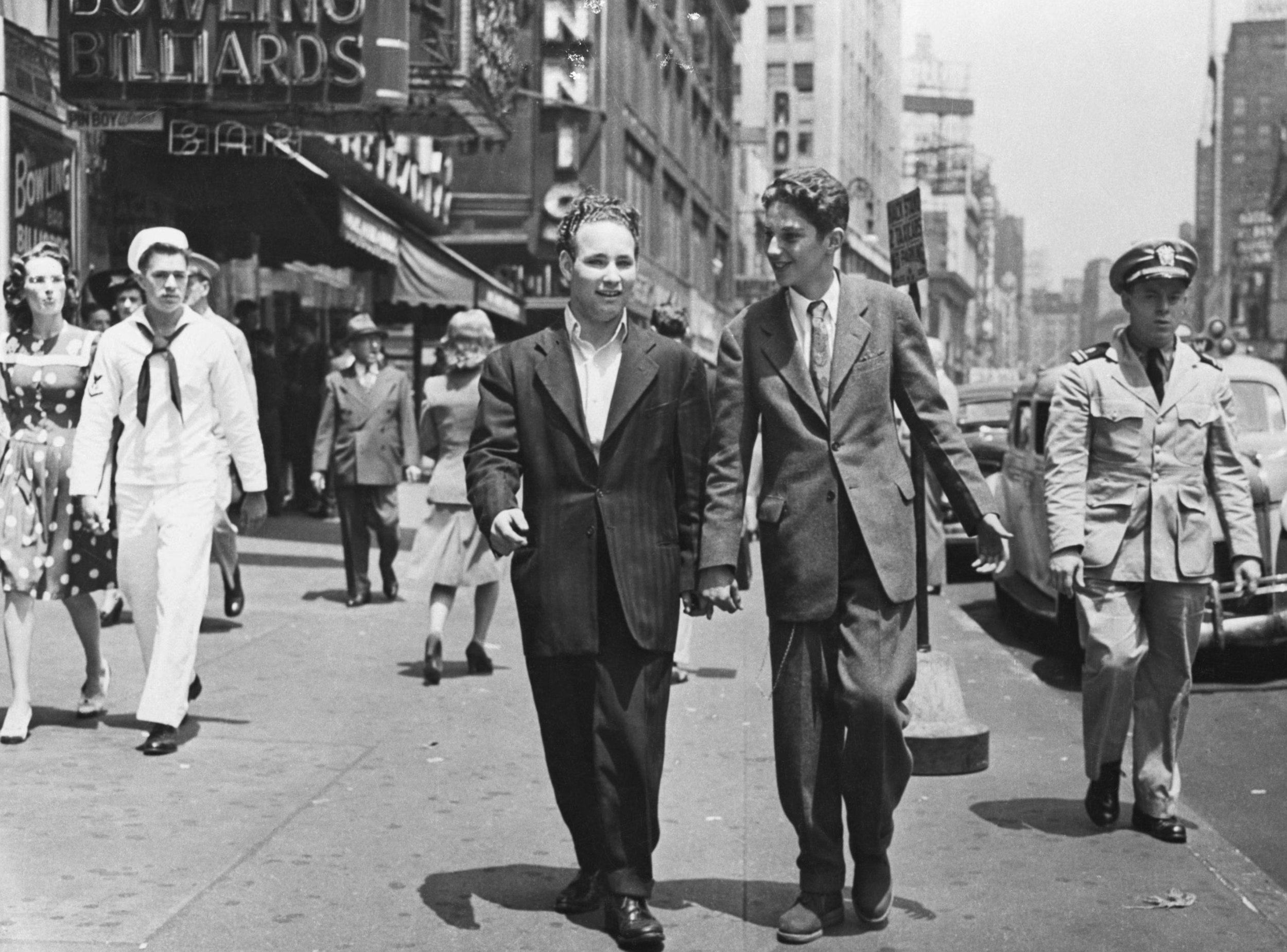
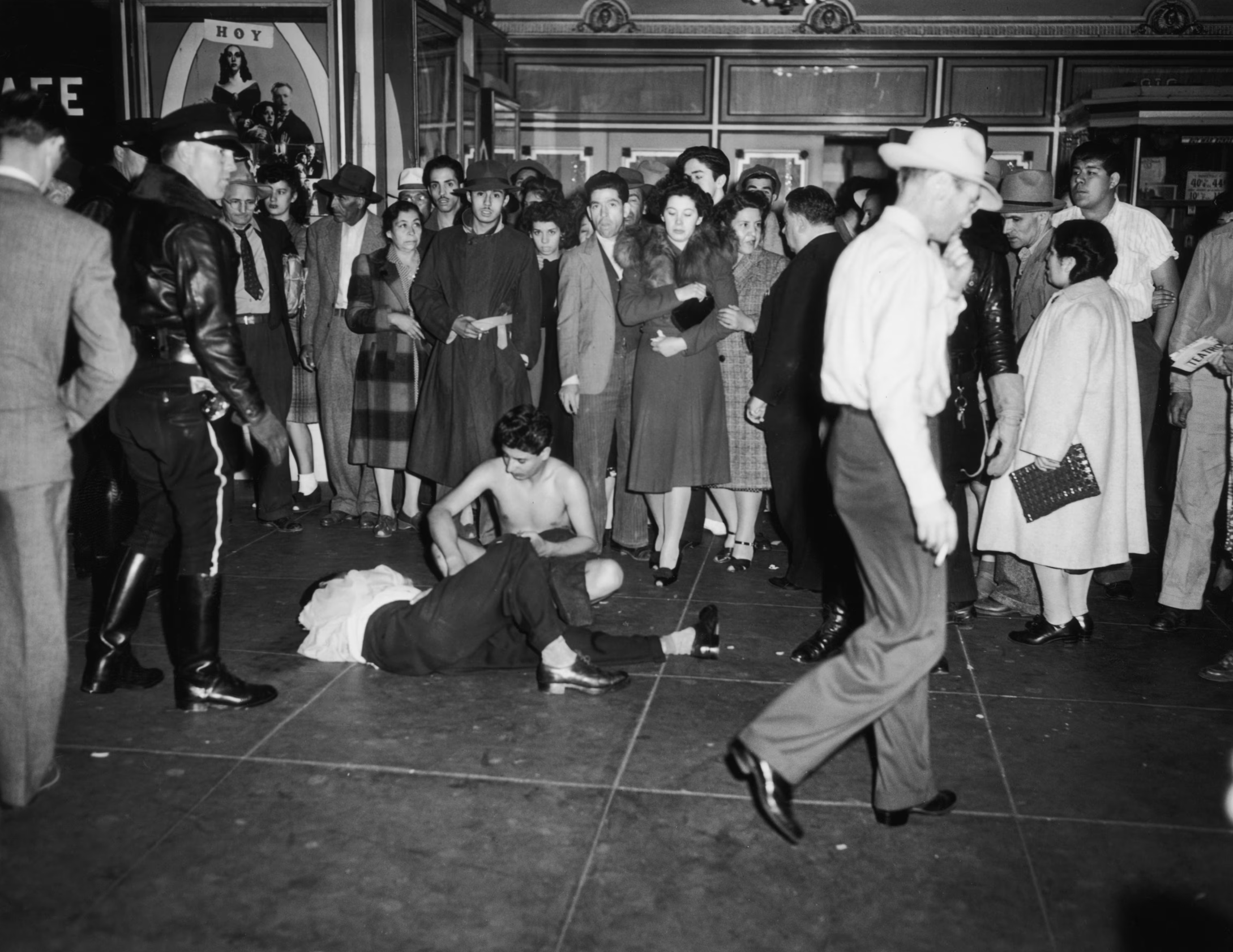
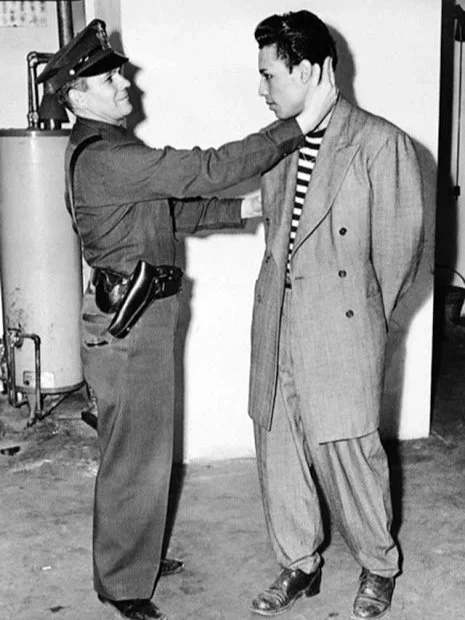
In 1943, white soldiers and sailors crawled around Los Angeles looking for “un-American” African-American, Latino and Filipino men, all because of what they were wearing. Believed to be the reason behind a rising crime rate and the fact that wartime rationing of fabrics during WWII, these white communities to believe that these men, wearing baggy pants and oversized suit jackets were unpatriotic to America. This wasn’t helped by the incorrectly inflated prices of zoot suits that were reported by the press at the time. Across 6 nights, these white men harassed ‘zoot suiters’, and when Latino youths fought back, the violence intensified. The police and military ripped the clothing off these men’s backs, arrested them and violently beat them; “fists and rope ends to zoot-suited youths”, as written by the Associated Press at the time. Overall, approximately 94 civilians and 18 servicemen were seriously injured. The zoot suit was considered to be banned by the Los Angeles City Council and over 500 Latino men were arrested with a crime during the riots, while all white servicemen involved were never charged.
This was known as the Zoot Suit Riots - and whilst it probably was an excuse for racism-fuelled violence, it was primarily all because of fashion, the Zoot Suit.
Originating from the ‘drape suit’ worn in London, the Zoot Suit was born in Harlem, New York in the 1930s. African-American and Latino men didn’t have access to tailored suiting, which led to in-house altering to suits that were often too large. These larger sizes had extra shoulder padding, a longer suit length, wide pant silhouettes and cinched waists; all common themes of zoot suits. As the trend grew, popular Jazz musicians, including Louis Armstrong, began adopting the style due to its ease of movement, and the trend became nationwide. The thing with zoot suits is that it was a subcultural style, created by the public to serve a purpose and to create identity. It wasn’t created by some designer and trickled down to the public, it started in the streets.
After being stereotyped and discriminated against, black and brown communities had something that set them apart from others, what they wore. It was a statement of refusal, to be seen as second-class citizens. It served as a symbol of subversion, identity and defiance. It signified who they are and who they want to be, to claim visibility in a world that didn’t see them.
However, as fabric rationing was introduced in 1942, the zoot suit, which was a symbol of excessive fabric usage, was essentially banned overnight. The ban limited the length of the suit jacket, the number of pleats and the number of pockets, just to name a few. As the zoot suit was continued to be worn, this led to rising tensions between white and minority communities, ultimately coming to a head in the 1943 Zoot Suit Riots.
After this violence, the zoot suit eventually fell out of style. Fear of being targeted and the shifting trends lessened its prominence within the communities that created it. However, the zoot suit never fully died out.
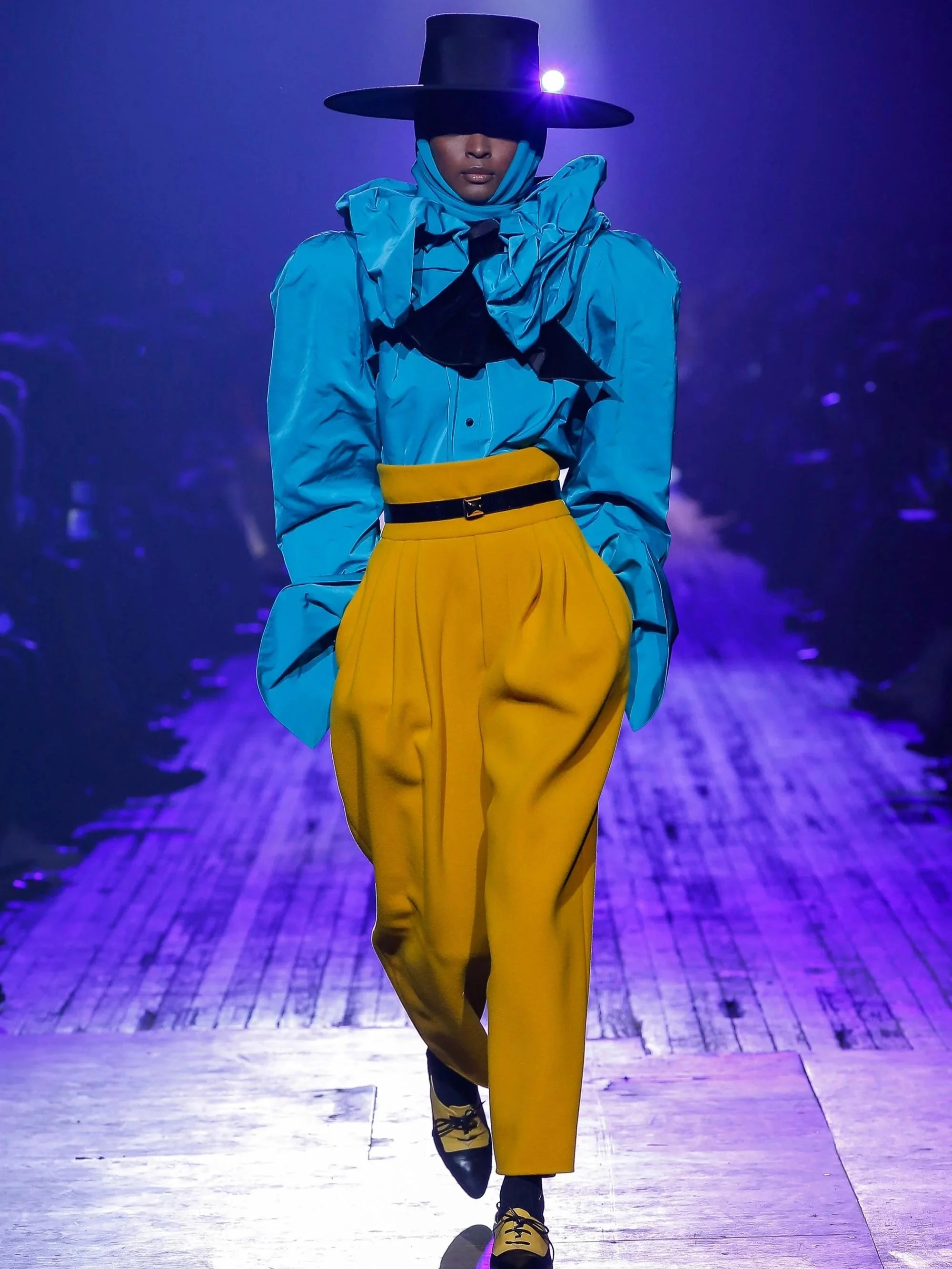
There are so many designers out there that reference the zoot suit, taking inspiration from its exaggerated proportions and focus on accessories. Theres the FW18 Marc Jacobs show with the plush and colourful suiting pieces, the Ferragamo SS26 show with its clean yet oversized suits. The zoot suit was part of the 2025 Met Gala: Superfine: Tailoring Black Style, being referenced by many guests attending.
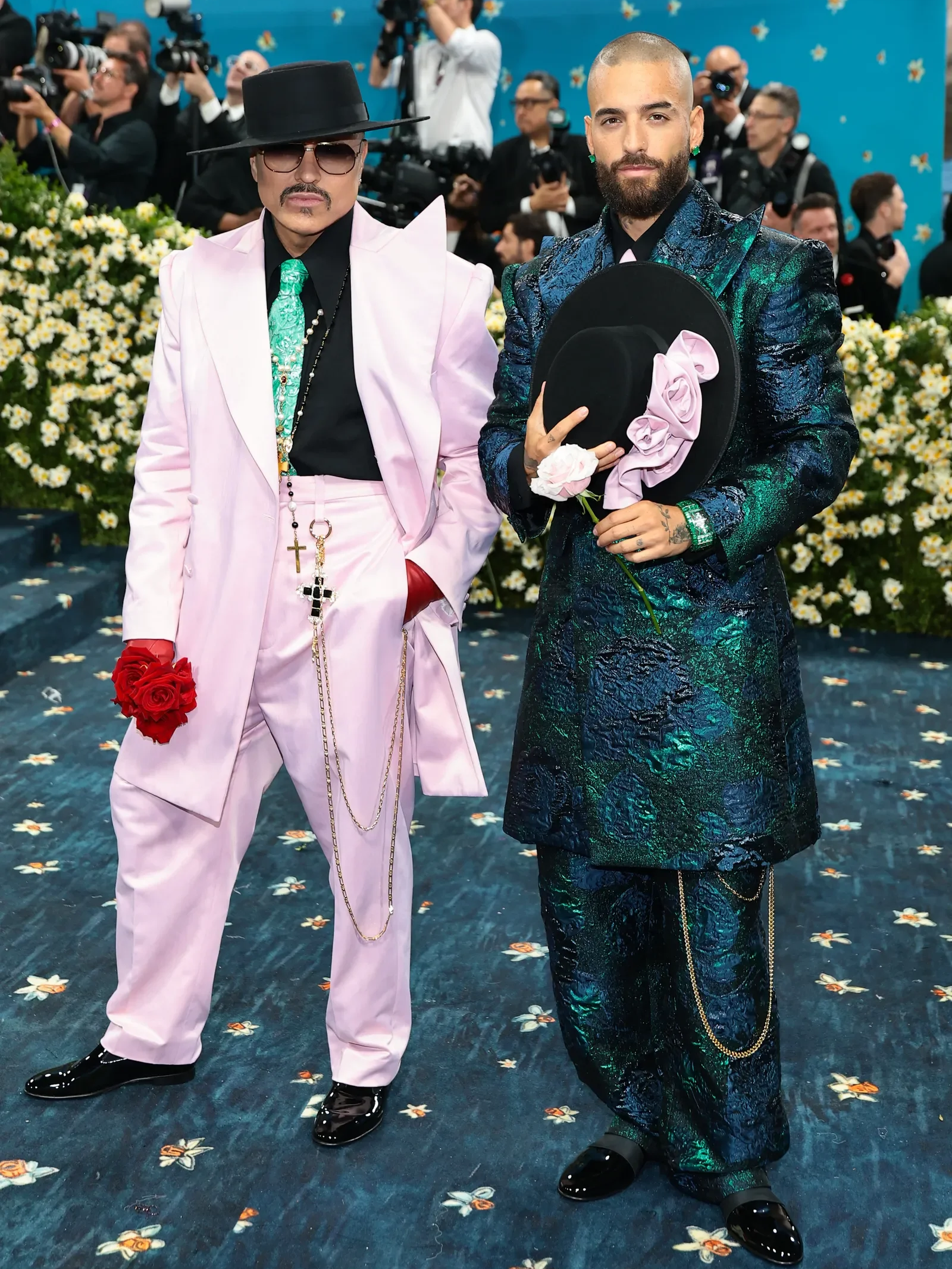
Even across the 1980s and 90s, a form of the zoot suit resurfaced with the baggier clothing style popular among hip hop & rap artists. This trend had the same feeling as the zoot suit; a defiance of the mainstream and a creation of identity based on aesthetics and resourcefulness.
Throughout its entire story, the zoot suit is a story of the connection between fashion and identity. Clothing and defiance. It shows how fabric can express identity and community, resilience and pride.
“Scores of cars loaded with soldiers and sailors poured into the area. Soon after dark a mob formed, surged down Broadway, crashed into the Orpheum Theater, went down the aisles shouting for pachucos to stand up. In the balcony the mob found 17-year-old Enrico Herrera, sitting with his girl. He and others were dragged downstairs to the street; the citizenry pushed back to give them room while he was beaten and stripped naked. The crowd howled. When the sailors had finished, the police dutifully edged up, took Herrera to the hospital.”